
What Summer Reveals About a Desert Home That You May Not Notice in January
What Summer Reveals About a Desert Home That You May Not Notice in January
A desert home can feel almost effortless during the winter months.
The doors are open. The patio is inviting. The pool sparkles in the afternoon light. The mountain views seem to do most of the work.
But summer tells you a different story.
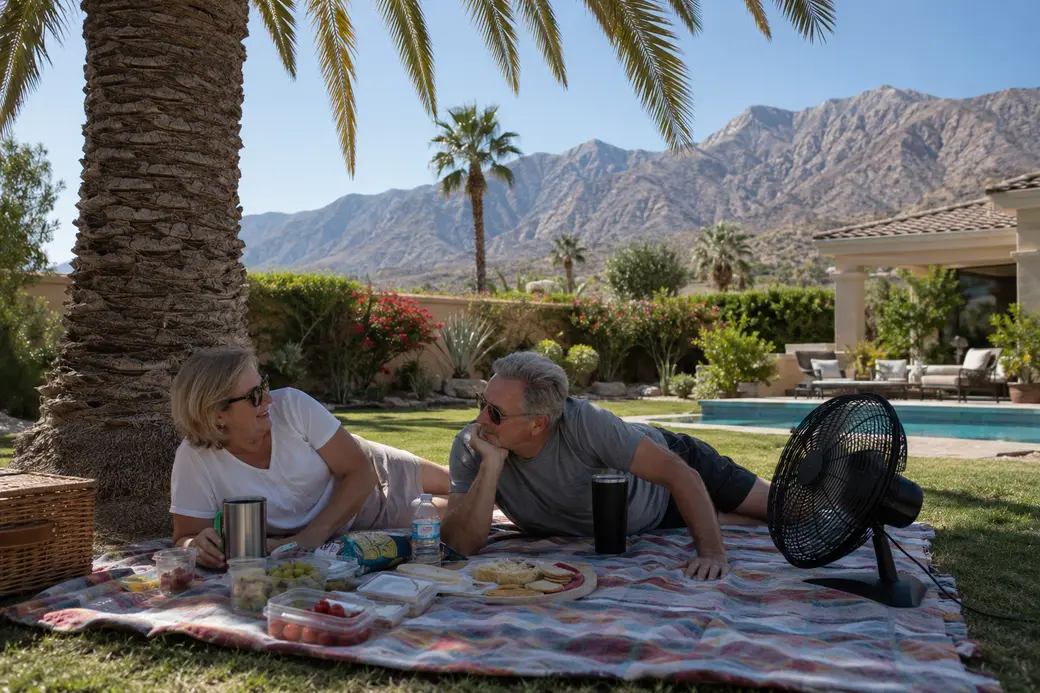
When the temperature rises, you begin to notice the details that shape how a home actually lives: where the sun lands late in the day, which outdoor spaces remain usable, how comfortably the interior stays cool, and whether the home was designed with the desert climate in mind.
These details are not always obvious during a quick showing.
But they matter.
Afternoon Sun Changes the Experience of a Home
Morning light can make almost any patio feel appealing.
Late-afternoon sun is more revealing.
A west-facing backyard may offer beautiful sunsets, but it can also become intensely warm during the hours when you most want to enjoy the outdoor space. A shaded patio, mature landscaping, or a thoughtfully placed overhang can make a noticeable difference.
There is no single “right” orientation for every buyer.
Some people want open, expansive views and are willing to manage the additional sun exposure. Others care more about privacy, shade, and a comfortable place to sit outside later in the day.
The key is understanding the trade-offs before you buy.
Shade Is More Than a Design Detail

In the desert, shade is part of the architecture.
Covered patios, pergolas, retractable awnings, trees, umbrellas, and strategically positioned outdoor seating areas can dramatically change how often you use the backyard.
A beautiful outdoor space is not just about how it photographs. It is about whether you can actually enjoy it.
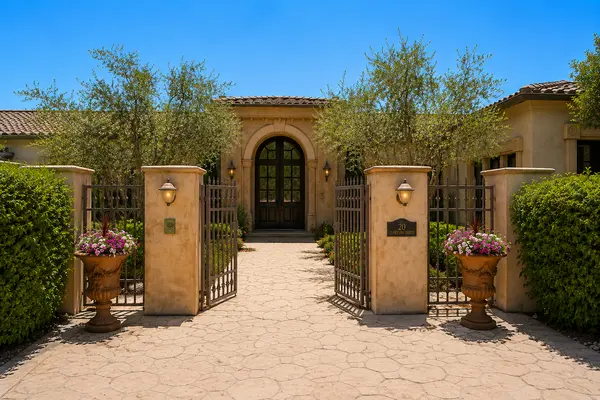
The same applies to the front entry. A shaded walkway or covered entrance may seem like a small feature in January. In July, it feels like a thoughtful design decision.
The Pool Has Its Own Microclimate
A pool is one of the most appealing parts of desert living, but not every pool area feels the same.
The position of the sun, the amount of surrounding shade, nearby walls, landscaping, and the direction of the wind all affect the experience.
Some buyers want a pool that receives plenty of sun. Others prefer a shaded area where they can cool off comfortably in the afternoon. Some value privacy above all else.
A pool should not be evaluated only by its size or shape.
It should be considered as part of the way the entire backyard lives.
Windows Tell You More Than You Might Expect
Large windows and walls of glass can be beautiful, especially when they frame a mountain view or open onto the patio.
But summer is when you notice how much direct sunlight enters the home.
Good window coverings, exterior shading, dual-pane windows, and thoughtful orientation can help a home remain comfortable without sacrificing the view.
This is not about avoiding natural light.
It is about understanding how the home manages it.
Cooling Is About More Than the Thermostat
Air-conditioning matters, of course. But comfort is not only about the temperature displayed on the thermostat.
You may notice whether certain rooms remain warmer than others, whether the primary bedroom receives intense afternoon sun, or whether a high-ceilinged living room cools evenly.
Ceiling fans, zoning, insulation, window coverings, and the age and condition of the HVAC systems all play a role.
A home that feels comfortable throughout the day has often benefited from many small, thoughtful choices.
Even the Garage Deserves Attention
The garage may not be the first thing buyers think about when touring a home, but summer gives it new importance.
A garage can become surprisingly warm, especially if it faces the afternoon sun. That may matter if you use it for storage, hobbies, a golf cart, or a second refrigerator.
An insulated garage door, ventilation, or a more favorable orientation can make a meaningful difference.
It is not the most glamorous detail.
But it is a practical one.
Landscaping Looks Different Through a Summer Lens
A lush yard can be beautiful, but it is worth understanding what it takes to maintain it.
Some landscaping choices are better suited to the desert than others. Mature trees may provide valuable shade. Native and drought-tolerant plants may require less water and upkeep. Artificial turf can reduce maintenance in some settings, while carefully placed grass may still be worth keeping where it adds to the overall feel of the property.
The question is not whether the yard is attractive.
It is whether the landscaping supports the lifestyle you want.
The Best Desert Home Is the One That Fits You
There is no perfect formula.
One buyer may fall in love with a wide-open west-facing view and the glow of a dramatic sunset. Another may prefer a more protected courtyard, a shaded patio, and a quieter sense of enclosure.
The goal is not to judge a home by one feature.
It is to understand how all the details work together.
Summer has a way of making those details easier to see.
A desert home should not only look beautiful during the most beautiful months of the year.
It should feel right in every season.
Recent Posts