
Why Desert Homes Are Designed Differently
Why Desert Homes Are Designed Differently
How architecture adapts to light, heat, and the desert landscape
One of the first things many buyers notice when they begin exploring homes in the desert is that the architecture feels different.
Homes often open toward courtyards rather than the street. Rooflines extend farther than expected, casting long shadows across patios. Outdoor spaces feel less like separate amenities and more like an extension of the home itself.
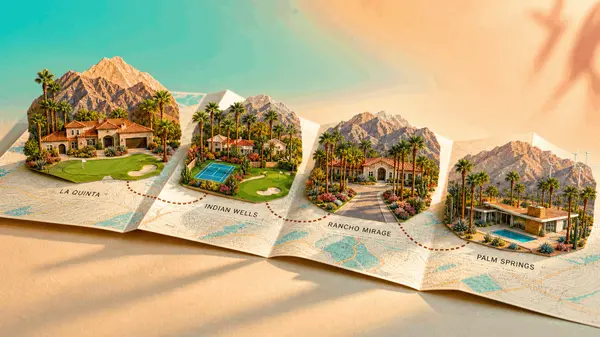
After spending time touring properties across Palm Springs, Rancho Mirage, La Quinta, and Palm Desert, certain patterns begin to appear. These homes aren’t simply built for style — they’re designed specifically for the desert environment.
In many ways, the sun becomes the primary architect.
The Sun as the Architect
In coastal markets, buyers often focus on the view. In the desert, experienced buyers pay just as much attention to orientation.
You’ll often hear people talk about south-facing backyards, and there’s a reason for that. A south-facing outdoor space captures the gentle warmth of the winter sun while avoiding the harsher glare of late afternoon western light.
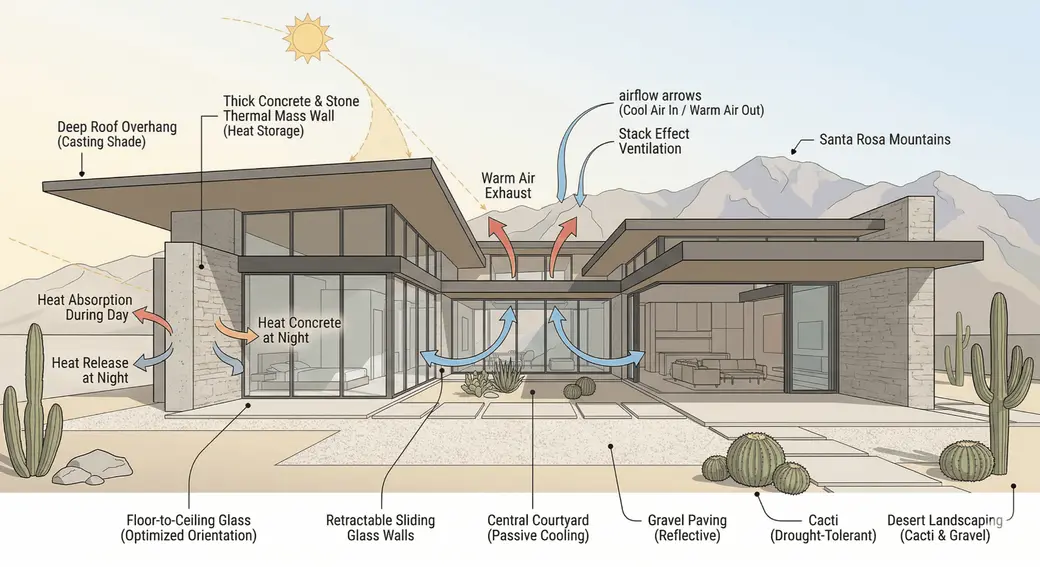
Architects also design homes with deep roof overhangs and extended patios that create strategic shade throughout the day. These shaded areas act almost like outdoor rooms, allowing homeowners to enjoy the landscape even when temperatures rise.
The result is architecture that works with the desert light rather than fighting against it.
Shade as a Design Element
Spend time in the desert, and you quickly understand the value of shade.
Long rooflines, covered loggias, and recessed patios create comfortable “micro-climates” that make outdoor living possible throughout much of the year. The transition between bright desert sunlight and these cooler shaded areas becomes part of the architectural experience.
In many homes, you move gradually from sun to shade to interior space — a rhythm that feels uniquely suited to desert living.
Materials That Work With the Climate
In the desert, homes have an eye for beautiful design and also manage the heat.
Stone, masonry, and concrete are commonly used because they act as thermal mass, absorbing heat during the day and releasing it slowly as temperatures cool at night.
The color palette follows the same logic. Sand tones, warm neutrals, and natural wood finishes reflect the surrounding landscape while also helping regulate interior temperatures.
The result is architecture that feels grounded in the environment rather than imposed upon it.
The Indoor–Outdoor Connection
One of the most recognizable features of desert homes is the seamless connection between interior and exterior space.
Large glass doors often slide completely open, creating what’s sometimes called a dissolving wall. The boundary between the living room and the outdoor space disappears.
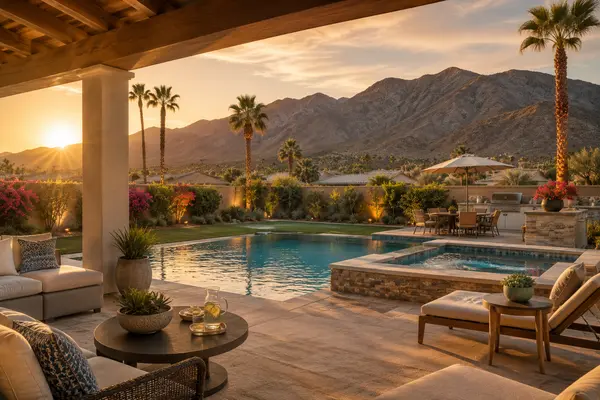
In this environment, outdoor living becomes part of everyday life — mornings with coffee on the patio, afternoons by the pool, and evenings outside as the air cools.
The Courtyard Concept
Many desert homes are designed to turn inward.
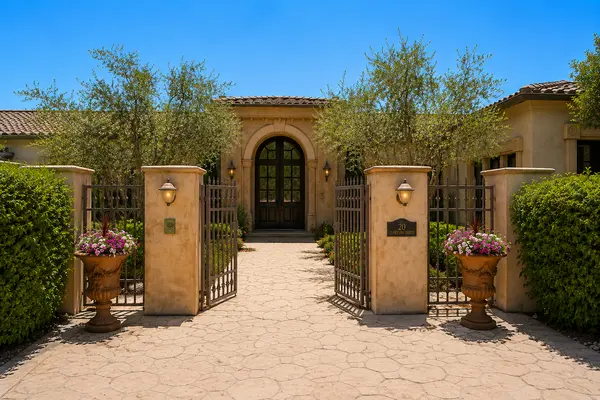
Courtyards create private outdoor spaces that provide shade, airflow, and a sense of separation from the surrounding environment. Rather than opening toward the street, the home organizes itself around a quieter internal space.
These courtyards often become the center of daily life.
Designing for “The Long Saturday”
Desert homes are often designed with entertaining in mind.
Outdoor kitchens, shaded dining areas, poolside lounges, and guest casitas are given as much attention as interior rooms. These aren’t secondary features — they are central to how the home is used.
The architecture reflects a lifestyle built around long afternoons that stretch into relaxed desert evenings.
Living With the Desert
Once buyers spend time in these homes, the design begins to make sense.
The courtyards, shade lines, and indoor–outdoor spaces aren’t simply aesthetic choices. They reflect decades of architectural thinking about how to live comfortably in a desert climate.
In many ways, desert architecture is a form of quiet, passive luxury — homes designed to manage light, air, and temperature so that the focus can remain on enjoying the environment itself.
And once people experience that, it’s often hard to imagine living any other way.
Recent Posts